
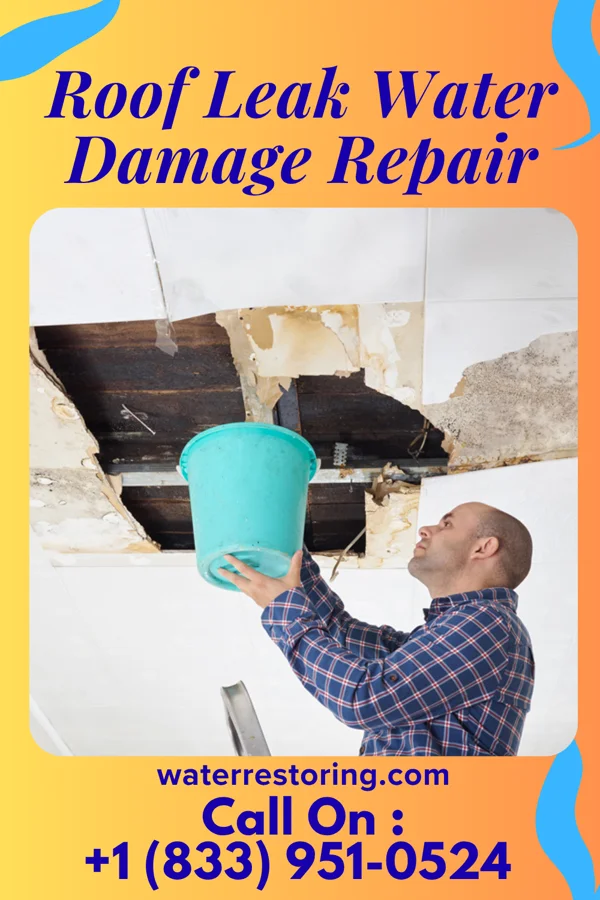
Active Roof Leak Containment in Atwood
Most water damage emergencies in Atwood start with Atwood, Oklahoma experiences frequent thunderstorms and heavy rainfall, especially during the spring and summer months. These storms can lead to sudden roof leaks and water damage due to the intensity of the downpours. The region's flat terrain and rural setting make it prone to prolonged water accumulation, increasing the risk of structural damage.. A close second is In addition to thunderstorms, Atwood is also susceptible to high winds and occasional tornado threats, which can cause physical damage to roofs and lead to water infiltration. The dry summer months can exacerbate roof material degradation, making it more vulnerable to leaks during the next rainfall event.. From the second water touches the property, every minute changes what gets saved and what gets ripped out.
Atwood's climate, characterized by hot summers and mild winters, can lead to expansion and contraction of roofing materials, creating gaps that allow water to seep in. The region's occasional high winds also contribute to roof damage, increasing the likelihood of water intrusion.
Atwood's climate, characterized by hot summers and mild winters, can lead to expansion and contraction of roofing materials, creating gaps that allow water to seep in. The region's occasional high winds also contribute to roof damage, increasing the likelihood of water intrusion. The dominant local driver is Atwood, Oklahoma experiences frequent thunderstorms and heavy rainfall, especially during the spring and summer months. These storms can lead to sudden roof leaks and water damage due to the intensity of the downpours. The region's flat terrain and rural setting make it prone to prolonged water accumulation, increasing the risk of structural damage., with In addition to thunderstorms, Atwood is also susceptible to high winds and occasional tornado threats, which can cause physical damage to roofs and lead to water infiltration. The dry summer months can exacerbate roof material degradation, making it more vulnerable to leaks during the next rainfall event. showing up as the next most common cause. Damage builds in stages. Spread. Absorption. Microbial growth. Structural compromise. Every stage you pass through adds to the final bill.